

What Are Weldon Tool Holders? Features and Applications
Weldon tool holders explained: how the flat-shank set screw prevents tool pull-out and when to use them for heavy roughing and drilling.

Shell Mill Arbors (Face Mill Holders): Features and Selection Guide
Shell mill arbors clamp face mills and keyed cutters rigidly and accurately; learn their key features, taper options and how to choose the right length.

What Are Hydraulic Chucks? Features, Working Principle and Advantages
Design, working principle, 3 µm runout accuracy, vibration damping benefits and maintenance requirements of hydraulic chucks for CNC machining.

Asimeto Portable Digital Hardness Tester (Leeb Hardness Tester)
The Asimeto portable digital hardness tester uses the Leeb rebound principle to measure material hardness on the shop floor or at the machine.

Circular Saw Blades: Features, Tooth Forms and a Guide to Correct Use
A guide to circular saw blades: diameter, thickness, tooth pitch and angles, bore size, HSS and carbide grades, coatings and cutting tips.

ER Collets and Collet Chucks: Application Standards
A guide to ER collets and ER collet chucks: sizes, clamping ranges, body lengths, limitations and the correct assembly sequence.
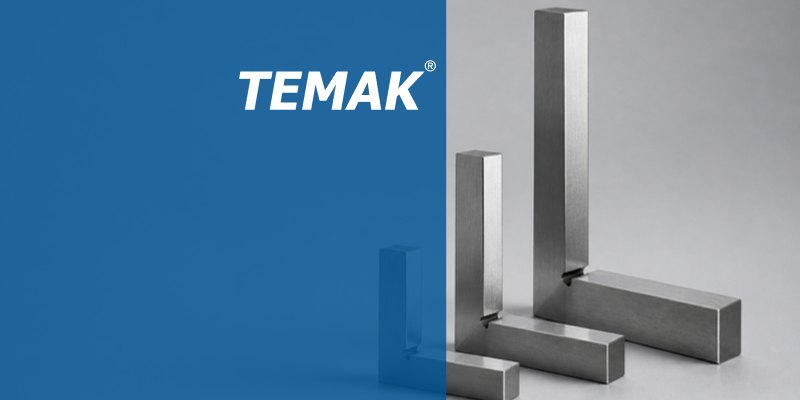
The Key to Precision Measurement: Types of Squares and Their Applications
A guide to the engineer’s squares most used in machining and workshops: knife-edge, try, fixed-angle squares and protractors, plus care tips.

HSS Milling Cutters: Types, Features and Applications in Machining
HSS end mills combine high toughness, impact resistance and low cost; learn about their types, flute counts, coatings and regrinding benefits.

What Are HSS Drills? Helix Angles, Types and Applications
HSS twist drills explained: N, H and W types, point and helix angles, the benefits of HSS-Co cobalt drills and coated drills for longer tool life.

Precision CNC Vices and Correct Workholding Techniques
How precision CNC vices deliver 0.003–0.005 mm repeatability, and the correct rules for clamping workpieces and mounting the vice.
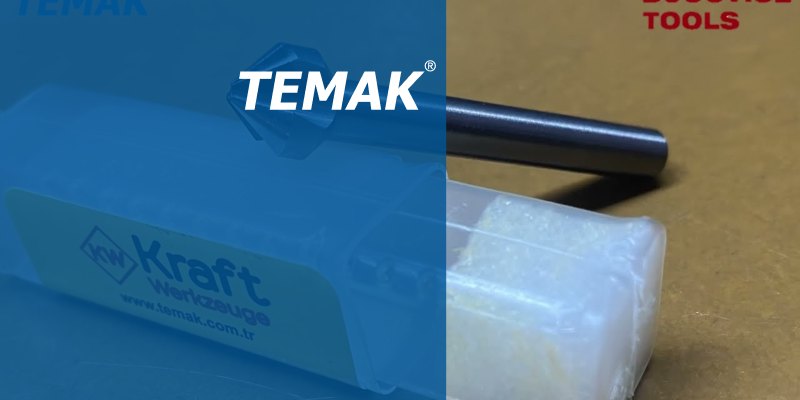
Countersinks: Types, Angle Selection and Applications in Machining
Countersinks seat screw heads flush, deburr holes and chamfer edges; learn about angles, designs, materials and coatings, and best-practice use.

Krasnic Electric Tapping Machine and Its Operating Modes
The Krasnic electric tapping machine taps M6 to M30 threads quickly and precisely, with manual, automatic and peck tapping modes.

Krasnic Drill Bit Grinder and How to Use It
How to use the Krasnic drill sharpening machine: 2–13 mm capacity, box contents, adjustable point angles and the two-stage grinding process.
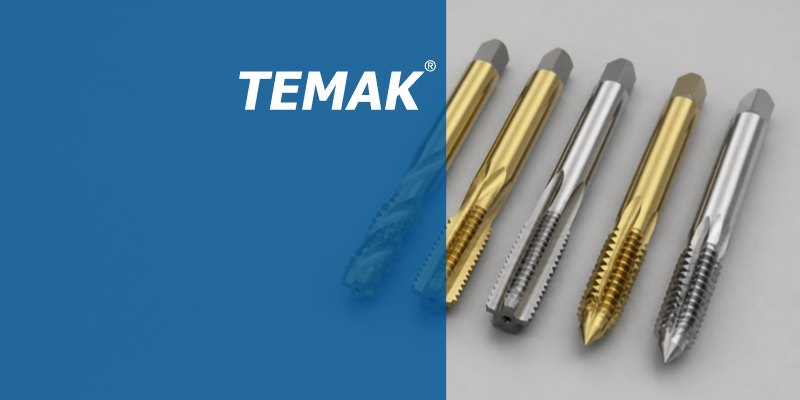
How to Select a Tap: Key Considerations and Steps for Threading
How to choose the right tap: key parameters, tap types, tap drill size calculation and step-by-step hand tapping.

Tapping Oil and Cutting Oils: Why They Matter in Manufacturing
Tapping oil reduces friction and heat, extends tool life and improves thread quality; learn its benefits and how to apply it correctly.

Tapping Heads (Tap Holders): Working Principle and Advantages
Tapping heads with axial float compensate synchronisation errors, prevent tap breakage and allow quick tap changes on CNC machines, lathes and drills.
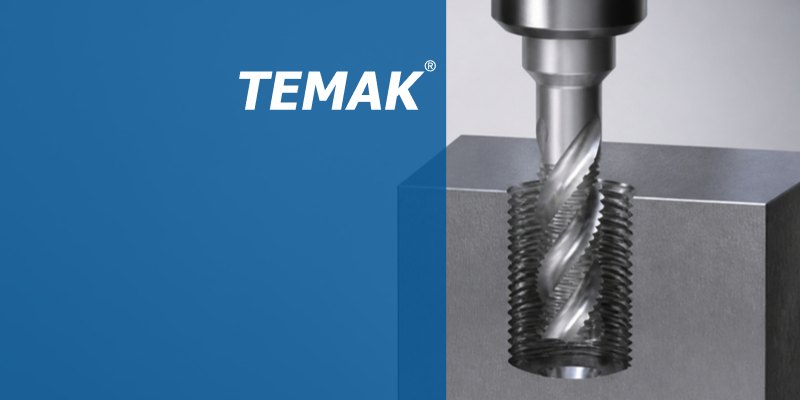
Types of Taps and Their Applications: What You Need to Know About Machine Taps
A guide to tap types: hand tap sets, straight flute, spiral point, spiral flute, forming and interrupted thread taps, HSS grades, coatings and colour codes.

What Is a Drill Chuck and How Is It Used?
Drill chucks explained: keyed and precision CNC types, the three-jaw clamping principle, and why they must never be used for side milling.
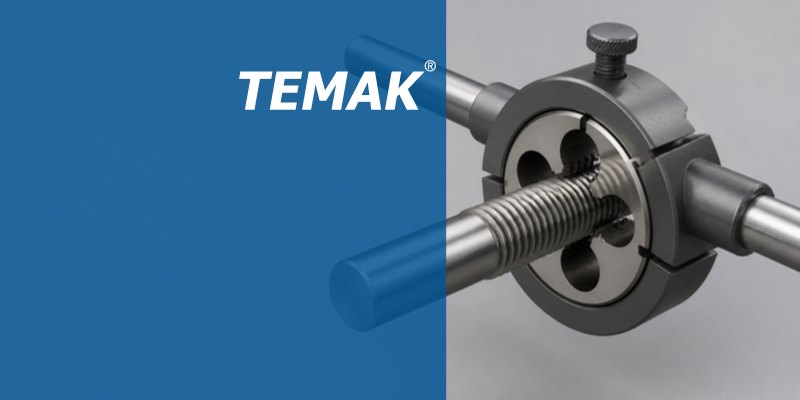
How to Cut External Threads with a Die: Key Considerations and Tips
Learn how to size the blank, calculate thread clearance, mount the die in the die stock and cut accurate external threads step by step.

Precision Parallel Sets: Features, Applications and Accurate Set-Up
Precision ground parallel sets raise and level workpieces in the vice; learn about tolerances, standard sizes and correct use on the machine.

Types of Collet Chucks (ER Collet Chucks) and Their Features
ER collet chucks explained: clamping force, ER08 to ER50 sizes, 0.5–34 mm shank range, intermediate diameters and collet accuracy and runout classes.
Workpiece Zeroing on CNC Machining Centres: Edge Finders and Their Types
Mechanical and electronic edge finders for CNC workpiece zeroing: types, recommended speeds, step-by-step method and key precautions.
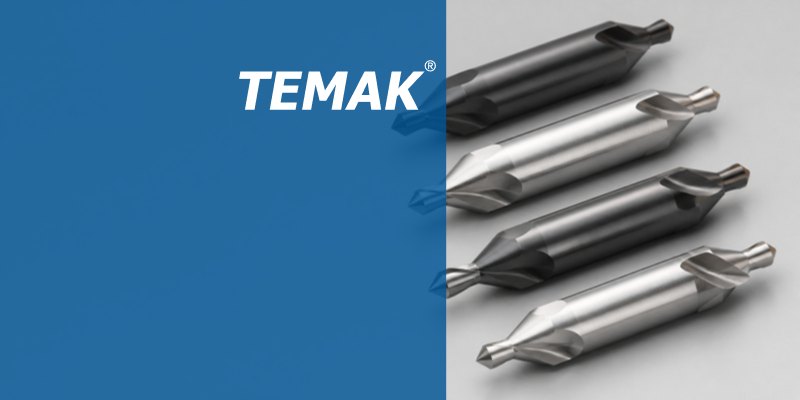
What Is a Centre Drill? Applications, Angles and Selection Criteria
Centre drills locate and guide holes before drilling; learn about their types, materials, DIN 333 angles and rules for correct use.

Deburring Tools: Types, Deburring Methods and Applications
Deburring tools remove sharp burrs after turning, milling and drilling; explore blade angles, special blade forms and application methods.

Roller Lock Chucks (Power Milling Chucks): Features and Applications
Power milling chucks explained: high clamping torque, rigidity, vibration damping, high-speed stability, key applications and points to watch when clamping.
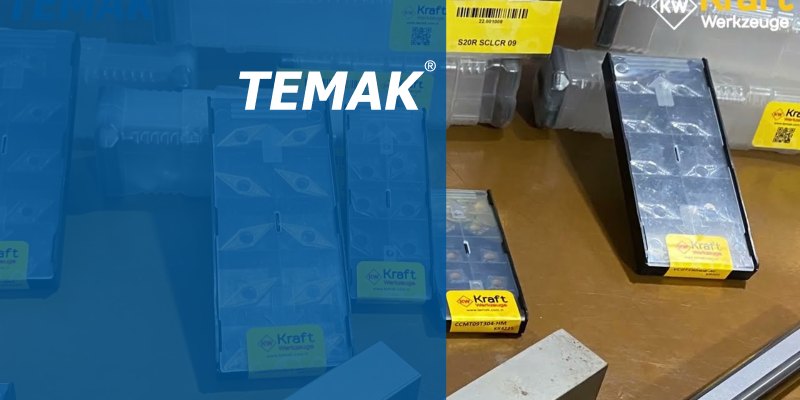
ISO Coding of Carbide Inserts and Turning Toolholders
How to read ISO codes for indexable carbide inserts and external turning toolholders, explained position by position with examples.

Carbide Inserts and Material Knowledge: ISO Material Groups and Colour Codes
How ISO material groups P, M, K, N, S and H and their colour codes guide carbide insert selection, with practical tips for choosing the right grade.

Solid Carbide End Mills: Features, Flute Geometries and Applications
Solid carbide end mills deliver high speeds, long tool life and superior finish; learn about edge forms, helix angles, flute counts and coatings.

T-Slot Cutters: Types, Standards and Applications
T-slot cutters explained: standard T-slot, dovetail and radius cutters, HSS, HSS-Co and indexable carbide versions, arbor mounting and machining tips.

Basic Materials Used in Machining and Their Properties
An overview of the steels, aluminium series and brass alloys most commonly machined, and how their properties affect tooling and cutting data.
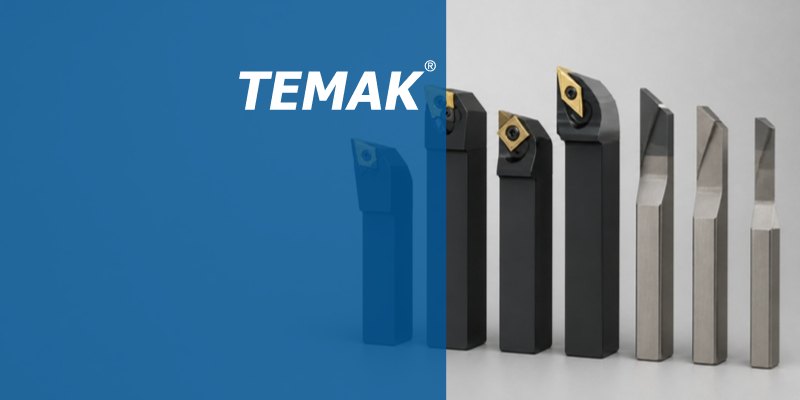
Turning Tools and Their Applications
An overview of turning toolholders: external, boring, grooving, parting and threading tools, tool materials and best practice for setup.
An Essential of Manufacturing: Calliper Types, Accurate Measurement and Protection Standards
A guide to vernier, dial and digital callipers, special-purpose callipers, IP protection ratings and tips for accurate measurement and care.

The Foundation of Precision Measurement: Micrometer Types and User Guide
A guide to micrometers: mechanical, digital and counter types, outside, inside, three-point bore, gear, sheet and depth micrometers, plus measuring tips.

Precision Spirit Levels: A Guide to Machine Installation and Alignment
How precision spirit levels support machine installation and alignment, with key design features and best practices for accurate measurement.

High Precision in CNC Machining: A Guide to Using the Z-Setter (Dial Tool Setter)
How a dial Z-setter speeds up tool length setting on CNC machines with micron accuracy: measuring methods and tips for safe, accurate use.

Quality and Standardisation in Machining: A Guide to Using Thread Gauges
How thread plug and ring gauges verify thread form, pitch and tolerance using the GO/NO-GO principle, plus practical tips and calibration advice.

Using Pull Studs (Retention Knobs) and Reduction Sleeves
How to select and use pull studs (retention knobs) and lathe reduction sleeves: coolant-through types, wear checks, correct standards and clamping order.
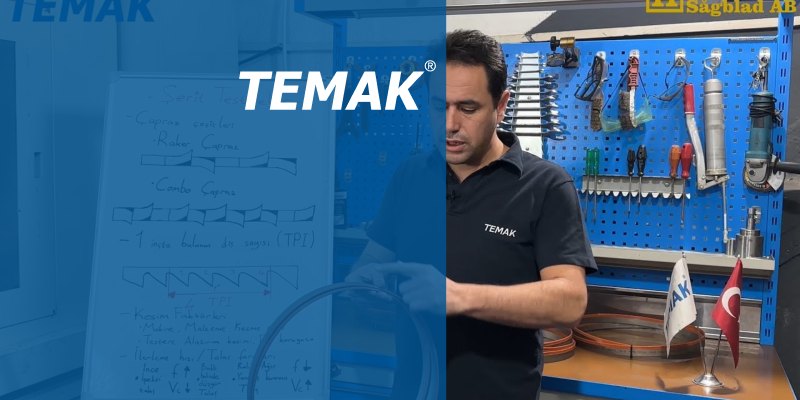
Bandsaw Blades: Correct Selection, Run-In and Cutting Methods
How to choose bandsaw blades, select the right TPI, run in a new blade, read chip formation and handle blades safely.